Winterize Your Hydrangeas With This Easy Pruning Guide
Winterizing Hydrangeas with This Easy Pruning Guide
Hydrangeas are a popular flowering shrub that can be found in gardens all over the world. They come in a variety of colors, from white to pink to blue, and they can bloom from spring to fall. If you want to enjoy your hydrangeas for years to come, it's important to winterize them properly.
One of the most important steps in winterizing hydrangeas is pruning. Pruning helps to remove dead or damaged branches, and it also helps to shape the plant. When you prune hydrangeas in the winter, you're helping to protect the flower buds that will bloom the following year.
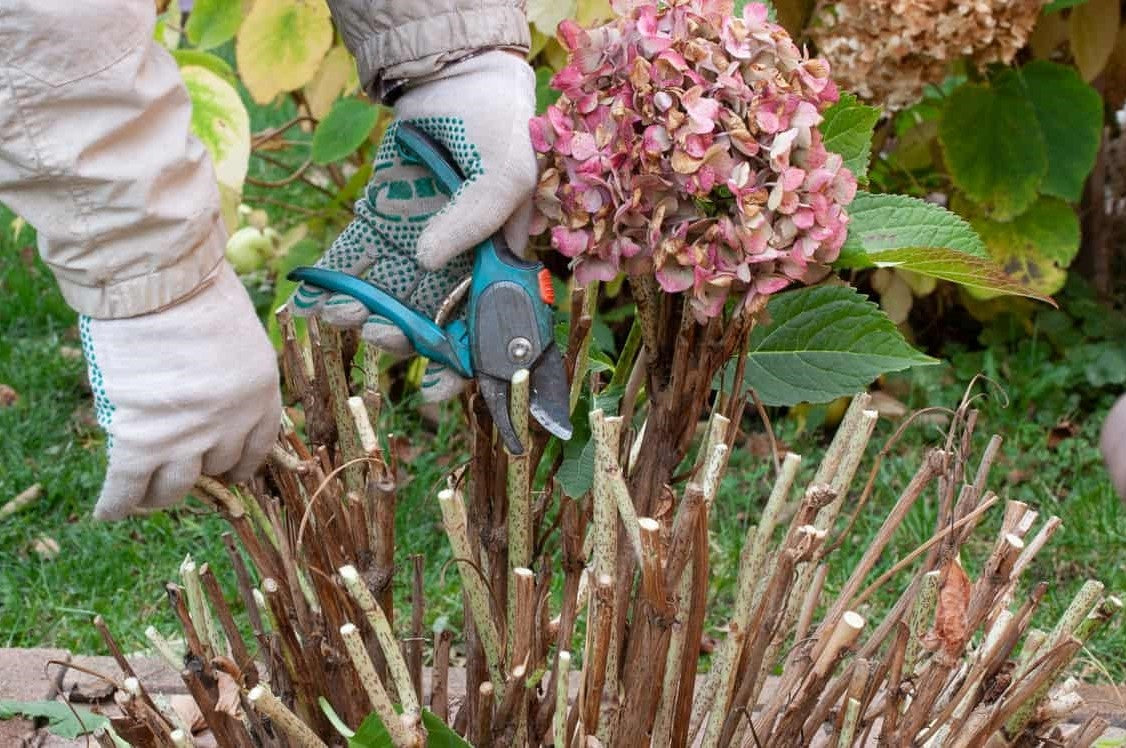
There are a few different ways to prune hydrangeas, but the most common method is to cut back the stems by one-third to one-half. You should cut just above a node, which is where a new branch will grow. You should also remove any dead, diseased, or damaged branches.
If you live in a cold climate, you may also want to consider mounding mulch around the base of your hydrangeas. This will help to insulate the roots and protect them from the cold. You can use any type of mulch, but pine needles or shredded bark are a good choice.
With a little bit of care, you can winterize your hydrangeas and ensure that they'll bloom beautifully for years to come.
Here are some additional tips for winterizing hydrangeas:
- Water your hydrangeas well before the first frost. This will help to ensure that they're well-hydrated for the winter.
- Fertilize your hydrangeas in the fall with a fertilizer that's high in phosphorus. This will help to promote flower bud development.
- If you live in a windy area, you may want to tie your hydrangeas to stakes to prevent them from blowing over in the winter.
Here are some common mistakes to avoid when winterizing hydrangeas:
- Don't prune hydrangeas too late in the fall. If you prune them too late, they may not have time to develop new flower buds for the following year.
- Don't mound mulch too high around the base of your hydrangeas. This could suffocate the roots.
- Don't fertilize your hydrangeas in the spring. This could encourage new growth that won't be able to survive the summer heat.
By following these tips, you can winterize your hydrangeas and ensure that they'll bloom beautifully for years to come.
Hydrangeas are beautiful shrubs that can add a touch of elegance to any garden. But if you want your hydrangeas to bloom their best in the spring, it's important to trim them properly for winter.
There are a few different ways to trim hydrangeas for winter, depending on the type of hydrangea you have. For most hydrangeas, it's best to prune in late fall or early winter, before the ground freezes. This will help to protect the plant's flower buds from cold weather damage.
If you're not sure how to trim your hydrangeas, or if you want more information about the best time to prune, I recommend visiting . This website has a wealth of information about hydrangea care, including detailed instructions on how to trim hydrangeas for winter.
FAQ of trimming hydrangeas for winter
Q: Do hydrangeas need to be cut back for winter?
A: Hydrangeas do not necessarily need to be cut back for winter, but it can help to protect them from cold weather damage. If you live in an area with cold winters, you may want to cut back your hydrangeas in late fall or early winter. This will help to reduce the amount of exposed wood that is susceptible to frost damage.
Q: When is the best time to trim hydrangeas for winter?
A: The best time to trim hydrangeas for winter is in late fall or early winter, after the leaves have fallen. This will give the plant time to heal before the cold weather sets in.
Q: How much should I trim hydrangeas for winter?
A: The amount of trimming you need to do will depend on the type of hydrangea you have. For most hydrangeas, you will want to cut back the branches by about one-third to one-half. However, if you have a panicle hydrangea, you will only need to remove the dead or damaged branches.
Q: What tools do I need to trim hydrangeas for winter?
A: You will need a sharp pair of pruning shears or a saw to trim hydrangeas for winter. You may also want to wear gloves to protect your hands from the sharp thorns on some hydrangea varieties.
Q: What are some tips for trimming hydrangeas for winter?
A: Here are a few tips for trimming hydrangeas for winter:
- Cut the branches back to a node, which is a point where a branch meets another branch or the main stem.
- Cut the branches at an angle, which will help the water to drain away from the cut.
- Dispose of the trimmings in the trash, not in your compost pile.
Image of trimming hydrangeas for winter
- Image 1: A close-up of a hydrangea bush being pruned back to the ground. The branches are cut just above a pair of healthy buds.
- Image 2: A wider shot of a hydrangea bush that has been pruned back. The bush is now a much more manageable size and shape.
- Image 3: A hydrangea bush that has been pruned back in late winter. The bush is covered in new growth and is ready to bloom in the spring.
- Image 4: A gardener pruning a hydrangea bush with a pair of loppers. The gardener is wearing gloves and safety glasses to protect themselves from the sharp blades.
- Image 5: A hydrangea bush that has been pruned back to a framework of old growth. The framework will support new growth in the spring and summer.
Post a Comment for "Winterize Your Hydrangeas With This Easy Pruning Guide"