The Common Weed That's Actually A Natural Remedy
The Common Weed That's Actually a Natural Remedy
Weeds are often seen as a nuisance, but did you know that some of them can actually be used as natural remedies? In fact, there are many common weeds that have been used for centuries to treat a variety of health conditions.
In this blog post, we will discuss some of the most common weeds that have medicinal properties. We will also provide information on how to identify and use these weeds safely and effectively.
What are Medicinal Weeds?
Medicinal weeds are plants that have been used for centuries to treat a variety of health conditions. These plants contain active ingredients that have been shown to have therapeutic effects.
Some of the most common medicinal weeds include:
- Dandelion: Dandelion is a common weed that is often found in lawns and gardens. It has a long history of use as a medicinal herb. Dandelion can be used to treat a variety of health conditions, including constipation, indigestion, and liver problems.
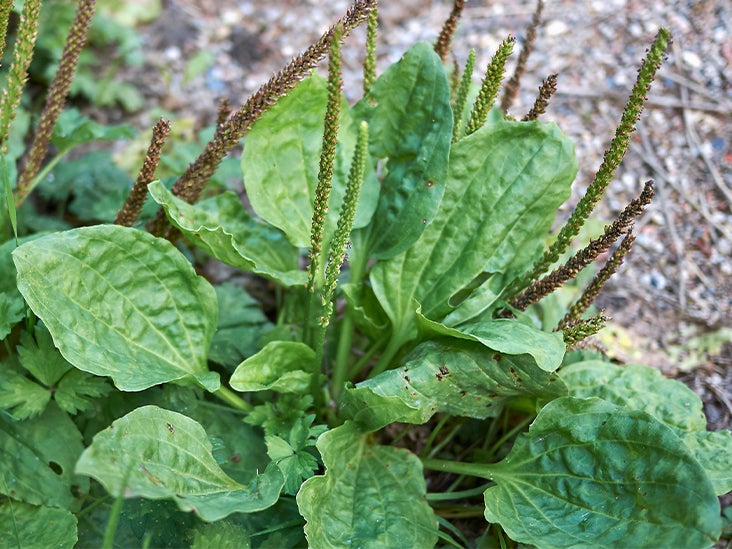
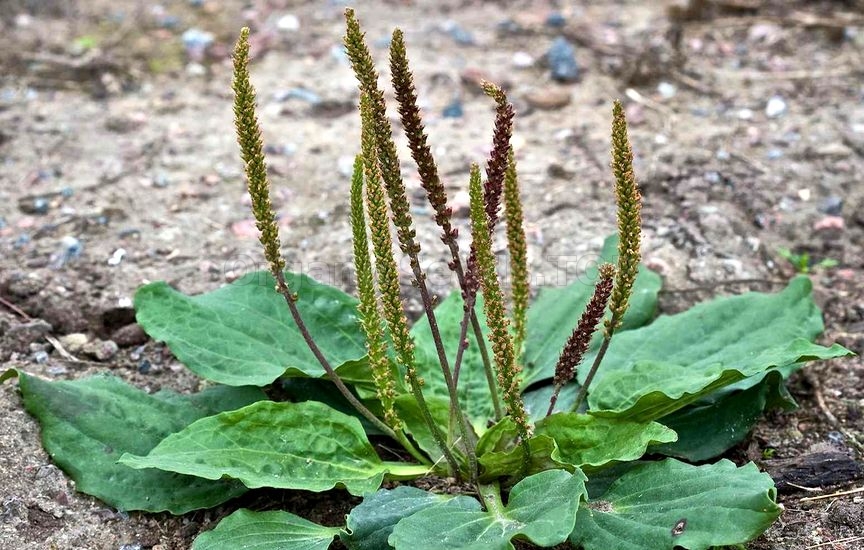
- Plantain: Plantain is another common weed that is found in many parts of the world. It has been used for centuries to treat a variety of health conditions, including cuts, scrapes, and insect bites. Plantain contains compounds that have anti-inflammatory and antimicrobial properties.
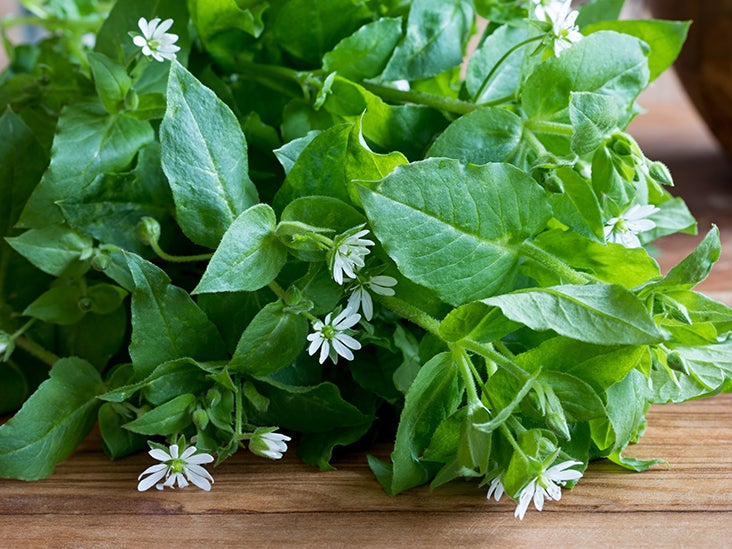
- Chickweed: Chickweed is a small, white-flowered weed that is often found in lawns and gardens. It has been used for centuries to treat a variety of health conditions, including coughs, colds, and allergies. Chickweed contains compounds that have expectorant, anti-inflammatory, and antihistamine properties.
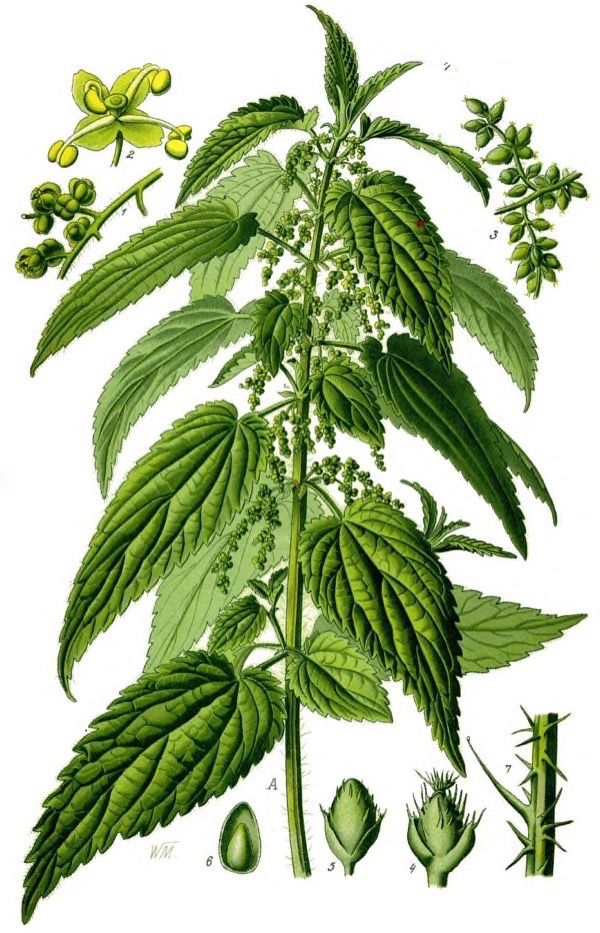
- Stinging nettle: Stinging nettle is a weed that is known for its stinging hairs. However, the leaves of stinging nettle can be used to make a tea that has a variety of health benefits. Stinging nettle tea is a good source of vitamins A and C, and it has been shown to be effective in treating allergies, arthritis, and high blood pressure.
How to Identify and Use Medicinal Weeds
If you are interested in using medicinal weeds, it is important to be able to identify them correctly. There are many resources available online and in libraries that can help you learn how to identify medicinal weeds.
Once you have identified the weeds you want to use, it is important to use them safely and effectively. It is always a good idea to consult with a healthcare professional before using medicinal weeds, especially if you are pregnant or have any underlying health conditions.
Conclusion
Medicinal weeds are a valuable resource that can be used to treat a variety of health conditions. However, it is important to use them safely and effectively. If you are interested in using medicinal weeds, it is important to do your research and consult with a healthcare professional.
Have you ever seen plantain weed growing in your yard or along the side of the road? This common weed is actually a powerful medicinal plant that has been used for centuries to treat a variety of ailments.
If you're interested in learning more about plantain weed, I recommend visiting Garden Wiki. This website has a wealth of information on the plant, including its history, uses, and how to identify it.
In addition to providing detailed information on plantain weed, Garden Wiki also offers a variety of resources for using the plant medicinally. You can find recipes for plantain tea, ointments, and salves, as well as instructions on how to use plantain to treat specific conditions.
Whether you're interested in learning more about plantain weed for its medicinal properties or simply because you're curious, I encourage you to visit Garden Wiki. This website is a valuable resource for anyone who wants to learn more about this amazing plant.
FAQ of plantain weed
Q: What is plantain weed?
A: Plantain weed is a common broadleaf weed that is found in many parts of the world. It has a long, oval-shaped leaf with a serrated edge. The flowers are small and white, and they bloom in clusters. Plantain weed is a nuisance because it can be difficult to control, and it can also be a health hazard if it is ingested.
Q: What are the other names for plantain weed?
A: Plantain weed has many other names, including common plantain, dooryard plantain, ribgrass, and English plantain. It is also known as buckhorn plantain, narrow-leaf plantain, and rib-wart plantain.
Q: What are the uses of plantain weed?
A: Plantain weed has been used for centuries as a medicinal plant. The leaves can be used to treat a variety of ailments, including cuts, scrapes, insect bites, and burns. The leaves can also be used to make a tea that can help to relieve coughs, sore throats, and diarrhea.
Q: How can I control plantain weed?
A: There are a number of ways to control plantain weed. You can hand-pull the plants, hoe them out, or use a herbicide. If you choose to use a herbicide, be sure to select one that is labeled for use on plantain weed.
Q: Is plantain weed poisonous?
A: Plantain weed is not poisonous, but it can be a health hazard if it is ingested. The leaves contain a substance called saponin, which can cause vomiting and diarrhea. If you accidentally ingest plantain weed, it is important to seek medical attention immediately.
Image of plantain weed
- Image 1: A close-up of a plantain leaf, showing the distinctive serrated edges.

- Image 2: A whole plantain plant, with its white flowers and long, slender stems.
- Image 3: A plantain leaf that has been bruised or crushed, releasing its milky sap.
- Image 4: A poultice made from plantain leaves, being applied to a wound.
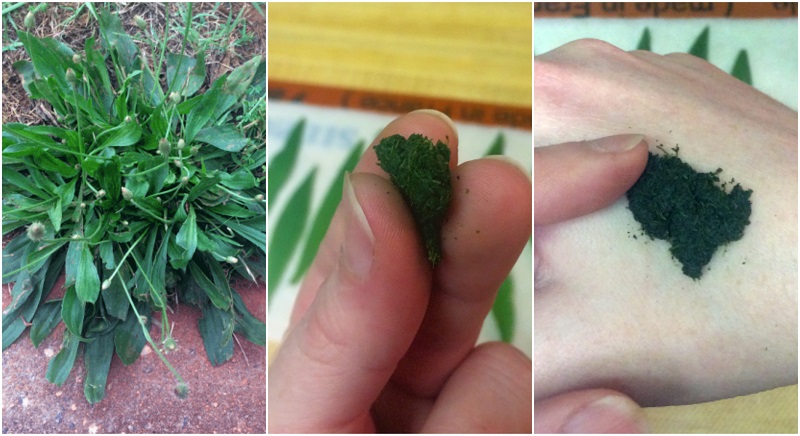
- Image 5: A cup of plantain tea, made from the leaves of the plant.
Post a Comment for "The Common Weed That's Actually A Natural Remedy"